

Differences between European and Domestic Cars

Maintenance & Repair Differences Between European & Domestic Vehicles
Both have their benefits, but both have distinct maintenance and repair requirements. If you have a European vehicle or are looking into one, knowing the differences can help you make informed decisions about maintenance and costs.
1. Parts Availability & Cost
The parts availability and cost are two of the biggest differences between foreign and domestic cars. European cars like BMW, Mercedes-Benz, Audi, and others often have unique part needs that may not be accessible at your auto parts store. Some need to be imported, leading to longer wait times and more expenses. But, parts for domestic vehicles like Ford, Chevrolet, and Dodge, are ubiquitous and fairly cheap.
2. Repair & Maintenance Costs
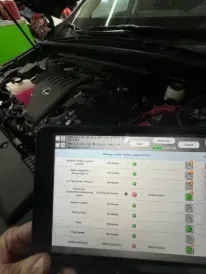
European cars are usually crafted with great precision and sophistication, making repairs more complicated. Some European models, like the 2022 BMW 440i, require special diagnostic tools and training; not all repair shops are equipped to service them. Labor costs are often higher than with domestic products, which tend to be less complex and more affordable to repair or maintain.
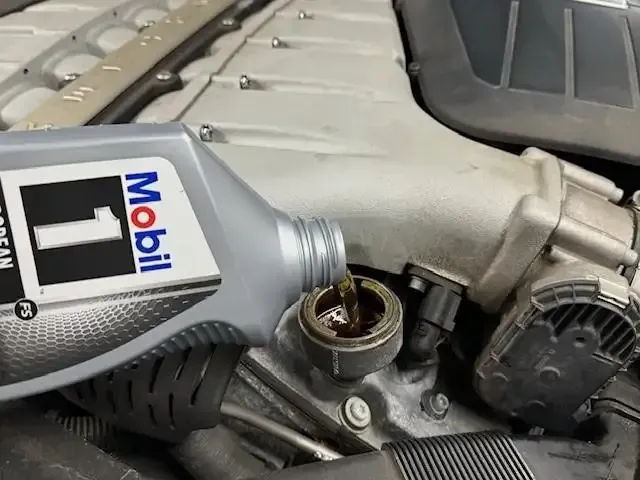
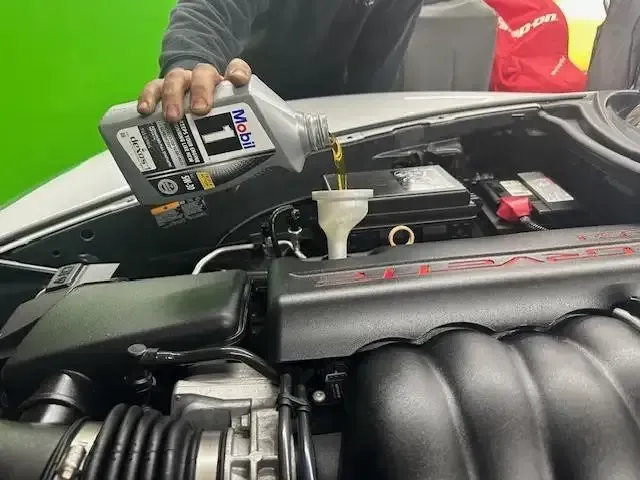
3. Oil Changes & Fluid Requirements
Different fluids are included in the new IS350. Many oils, coolants, and transmission fluids must match manufacturer requirements for European vehicles. Domestic vehicles are also often more common, meaning fluids and lubricants stored in a corner store are generally cheaper than imported copies which can increase overall maintenance duties. Some European models have longer oil-change intervals, but they also take synthetic oil, which is expensive.
4. Technology & Electronics
European cars are among the most complicated on the planet, but they come with complexity. More complex problems to fix are the advanced electrical systems, computerized modules, and complex sensors. Besides new tech, domestic vehicles are also outfitted with simpler standardized electrical equipment, which makes repairs far more manageable and affordable.
5. Performance & Driving Experience
Most European-based vehicles are focused on sport, accurate handling, and comfort. This focus on engineering excellence carries over to the production of sophisticated components like suspension systems, braking systems, and transmissions. High-performance parts, however, don’t last as long and require additional maintenance and specialized knowledge. On the other hand, domestic cars are built for longevity and serviceability, meaning that they frequently forfeit superior performance tuning for reliability.
6. Longevity & Reliability
European cars offer excellent performance but may be somewhat costlier to maintain down the road. Well-maintained Volvos and Mercedes-Benzes will hold up for decades. Of course, domestics like Ford and Chevrolet have simpler mechanics, so they can be easier to own long-term.
Which One is Right for You?
If you prefer something European or domestic all depends on your values. If you love cutting-edge technology, high performance, and luxury driving without sweating the costs of ownership, a European car may be for you. If cost, simplicity, and parts availability are key points for you, a domestic car will probably suit you better.
At Platt’s Performance Plus, we specialize in servicing and repairing European and domestic vehicles. No matter if it’s a BMW, Audi, Ford, or Chevy, our professional-grade auto mechanics have what it takes to keep the engine roaring. We are open 7 days a week and accept walk-ins.